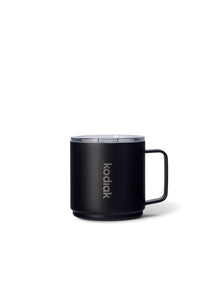


A hot deck, a rising breeze and a long run back to the ramp can expose a flimsy cooler fast. A proper hard cooler for boating is not just a box for cold beers. It protects the day’s catch, keeps lunch safe, gives the crew a reliable cold drink and takes the knocks that come with life on the water.
The right choice depends on your boat, crew size and how far offshore you run. But a few features separate a cooler that belongs aboard from one that will slide around, sweat through its ice and become a pain before lunch.
What a hard cooler for boating needs to handle
Boating is hard on gear in ways a backyard barbecue never is. There is salt spray, UV, wet deck surfaces, vibration, fuel-stained hands, fish slime and the occasional rough crossing that turns every loose item into a projectile.
Start with construction. Rotomoulded hard coolers are built as one continuous shell, with thick insulated walls designed to resist impacts and hold temperature for extended stretches. That matters when you load up at dawn, stay out through the afternoon and do not get back to shore until dark. A thin, bargain cooler might be fine for a quick swim, but it can burn through ice quickly under an Australian sun.
A good lid should close firmly and seal cleanly. Cold air escaping through a poor seal means melted ice, soggy food and more stops at the servo for top-up bags. Look for latches that are easy to operate with wet hands but secure enough to stay shut when the boat punches through chop.
Deck contact matters too. Non-slip feet help reduce movement, while durable handles make it easier to shift a loaded cooler from the ute to the boat and back again. A loaded 45-litre cooler is no lightweight, especially when it is full of ice, cans and a solid catch.
Choose the size for your kind of day
Bigger is not automatically better. Oversizing wastes ice and takes up valuable deck space. Go too small, though, and you will cram everything together, warm the contents each time the lid opens and have nowhere to put fish.
For a couple heading out for a morning on the tinny, a compact hard cooler can cover drinks, lunch and ice packs without taking over the boat. For a full-day bay session with mates, a mid-size option gives you room for food, cans and enough ice to keep conditions cold through the heat. Larger models make sense for offshore trips, overnight stays, family pontoon days or serious fishing missions where the catch needs a dedicated cold zone.
Think about what is actually going inside. If the cooler is pulling double duty for drinks and fish, consider a size up or take two coolers. Keeping food and drinks separate from the catch is cleaner, easier to organise and kinder to your sandwiches. It also means the crew can grab a drink without constantly letting warm air into the fish cooler.
Measure the space before you buy. Check the footprint where the cooler will ride, plus clearance for opening the lid. On smaller boats, a cooler that works as a seat can earn its keep, provided it is secured properly and positioned where it will not block access or upset weight distribution.
Ice retention is about more than insulation
Premium insulation gives you a serious head start, but how you pack and use the cooler decides whether that ice lasts. The best hard cooler in the world cannot compensate for dropping warm cans into it at midday and opening the lid every five minutes.
Pre-chill the cooler the night before if you can. A bag of sacrificial ice or frozen water bottles cools down the internal walls before the real load goes in. Then start with cold food and pre-chilled drinks. Ice is there to maintain cold temperatures, not rescue warm supplies.
Block ice lasts longer than small cubes, while cubed ice fills gaps around cans and food more effectively. A mix is often the smart play: blocks or frozen bottles on the bottom, then your supplies, then smaller ice over the top. Cold air falls, so the top layer helps keep the whole load working.
Keep drainage in mind. For drinks, some meltwater is no big deal. For food, use sealed containers or a dry basket if your cooler has one. For fish, drain water as needed and replenish ice to keep the catch properly chilled. A quality drain plug makes this less of a wrestling match at the ramp.
Secure it like it matters
A heavy-duty cooler is durable, but it is not self-securing. In a sudden turn or rough conditions, even a loaded cooler can move. That is bad for the cooler, bad for the boat and bad for whoever is standing in its path.
Use tie-down points, straps or a dedicated cooler bracket where your boat setup allows. Secure it without crushing the lid seal or making it impossible to open. The aim is stable, accessible and out of the way.
Placement depends on the vessel. In a tinnie, weight distribution is especially noticeable, so avoid loading one side or the stern with every heavy item. On larger boats, keep the cooler low and central where practical. Avoid placing it where spray will continuously hit the lid, where it blocks a hatch or where passengers need to step around it all day.
Never rely on the cooler simply being heavy enough to stay put. Water conditions change quickly, and a loose cooler has no loyalty to your deck layout.
Boat-friendly features worth paying for
Not every feature matters to every boater, but a few make a real difference over years of use. Start with UV-resistant materials and a finish that will not look tired after a season in the sun. Saltwater is unforgiving, so choose hardware that can handle marine exposure and rinse the cooler after each trip.
Comfortable, hard-wearing handles are a must. You will notice them when carrying a loaded cooler down a boat ramp, across sand or from the marina car park. A drain plug that is easy to reach is another small feature that becomes a big deal when you are cleaning up in fading light.
Some hard coolers also work as practical deck furniture: a solid seat, a casting platform or a stable place to set tackle. That versatility is useful, but do not confuse it with a replacement for proper boat seating or storage. Use the cooler for what it is designed to do first - keep supplies cold and protected.
Colour is more than a style call, too. Lighter colours can stay cooler in direct sun, while a bold colour can be easier to spot on deck, at camp or among the gear in the garage. Kodiak hard coolers bring that mix of hard-use performance and colour-forward design, so your gear can look sharp without going soft on the job.
Look after it after every trip
A quick rinse with fresh water removes salt and grime before they have time to settle into seals, hinges and drains. Empty melted ice, wipe the interior with mild soapy water and leave the lid open until the cooler is completely dry. Closing it wet is the fastest route to stale smells.
Give the gasket a quick check for sand, scales and residue. If it is dirty or twisted, the lid may not seal as it should on the next trip. Before a longer run, test the latches, handles and drain plug at home rather than discovering a problem halfway to your fishing grounds.
A hard cooler earns its space aboard when it keeps working after the fun part gets messy. Choose one that fits the boat, pack it with intent and lock it down. Then you can spend less time managing melting ice and more time watching the horizon, waiting for the next bite or passing around cold drinks at sunset.