

That cheap tumbler felt like a win at the checkout - right up until your iced coffee went lukewarm before smoko and the lid started leaking in the ute. If you're working out how to choose an insulated tumbler, the right call comes down to more than just size or colour. You want something that holds temperature properly, feels good in hand, survives daily knocks, and actually fits the way you live.
A good tumbler should handle the morning commute, the gym bag, the boat, the worksite, and the camp chair without becoming another throwaway bit of gear. The best one for you is the one that matches your routine, not the one with the biggest claims on the box.
How to choose an insulated tumbler for your routine
Start with where and how you use it. A tumbler for desk duty has a different job from one riding in a cup holder on corrugated back roads. If your day starts with hot coffee and ends with arvo water refills, versatility matters. If you mostly drink iced beverages, you may care more about ice retention and a wide opening than sipping comfort for hot drinks.
Think about frequency too. A tumbler you use once a week can get away with a few compromises. A tumbler you carry every day needs to be easy to clean, comfortable to hold, and tough enough to cop a few knocks without looking sorry for itself after a month.
This is where a lot of buyers go wrong. They shop by appearance first, then realise the lid is fiddly, the base does not fit the car console, or the capacity is awkward for their habits. Good looks matter, but fit-for-purpose matters more.
Pick the right size, not just the biggest one
Bigger is not always better. A large tumbler sounds appealing, especially if you want fewer refills, but extra capacity adds bulk and weight. That can make it less pleasant to carry, harder to fit under coffee machines, and more likely to stay at home when you actually need it.
For coffee drinkers, a mid-size tumbler often hits the sweet spot. It keeps your brew hot without feeling oversized in the hand. For long drives, gym sessions, or hot days on site, going larger makes sense if you are mainly drinking water or iced drinks.
There is also a practical trade-off with temperature. A fuller tumbler tends to hold its temperature better than a half-empty one because there is less air space inside. But if you consistently underfill a large tumbler, you may not get the real-world performance you expected.
Insulation matters, but so does the whole build
Double-wall vacuum insulation is the benchmark for a reason. It is the setup that gives quality tumblers their staying power with both hot and cold drinks. But insulation alone is not the full story. The lid design, seal quality, wall thickness, and overall construction all affect how the tumbler performs across a full day.
If you want dependable cold retention, look for a tumbler with a tight-fitting lid and solid stainless steel construction. If hot drinks are your priority, a well-designed sip opening matters just as much as the insulated body. Heat escapes fast through poor lids, and that is often the weak point in cheaper options.
Material quality counts too. Food-grade stainless steel is the standard for durability and flavour neutrality. It does not hang onto old tastes the way lower-quality materials can, and it stands up better to rough handling. Powder-coated finishes can also make a noticeable difference, giving you better grip and a tougher exterior that is less likely to show every scuff.
Choose a lid that suits the way you drink
A tumbler lid can make or break the whole experience. If you are commuting, walking, or driving, splash resistance is a minimum. If your tumbler spends time in a bag, you will want a stronger seal and less chance of accidental spills.
For coffee and tea, a straightforward sip lid is usually the most comfortable option. It feels natural, lets you drink without fuss, and suits shorter sessions. For cold drinks, especially smoothies or water over several hours, a straw-friendly design can be easier and more convenient.
The trade-off is simple. More moving parts can mean more cleaning and more places for wear over time. A simple lid is often tougher and easier to live with, while a more feature-heavy one may offer convenience if it matches your routine. If you hate cleaning fiddly seals and corners, keep it simple.
Make sure it feels right in the hand and in the car
Ergonomics do not sound exciting until you are carrying a slippery tumbler with wet hands at the boat ramp or trying to wedge an oversized base into your car cup holder. Shape matters. So does texture. A tumbler should feel stable, balanced, and easy to grip, even when it is full.
If you are regularly on the move, check the diameter of the base and the overall height. Some tumblers hold plenty but are awkward in standard cup holders or under office coffee machines. Others are easier to carry but not ideal for one-handed drinking. It depends on whether your tumbler lives mostly on a desk, in a 4x4, or in your hand.
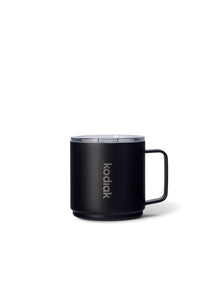
Handles can be useful, especially on larger capacities, but they are not always essential. They add convenience for some users and extra bulk for others. If you walk with your tumbler often, a handle may be a win. If compact packing matters more, a clean profile may suit you better.
Durability is not a bonus feature
An insulated tumbler gets used hard. It gets dropped on concrete, rattles around in the cab, rolls around camp tables, and gets knocked off gym benches. That means durability should be on your checklist from the start, not something you hope for later.
Look for stainless steel construction, solid welds, and finishes that can take a beating. A premium tumbler should not dent from everyday mishaps or lose its seal after a few months of use. The best models are built for the wild and ready for life - tough enough for rough conditions, but clean enough in design to use every day.
Warranty can also tell you a lot. A brand willing to back its drinkware for years is usually building it to last. That does not mean you should ignore care instructions, but it is a good signal that the product is designed for long-term use rather than quick replacement.
Cleaning should be easy, or you will stop using it
This is one of the least glamorous parts of how to choose an insulated tumbler, but it matters. If a tumbler is painful to clean, it will eventually sit in the sink or stink up the car. Wide-mouth openings are easier to wash properly. Simple lid designs are usually easier to keep hygienic. Dishwasher-safe construction is a big plus if convenience is high on your list.
Coffee drinkers should pay special attention here. Oils and residue build up fast, especially around seals and sip openings. If you switch between coffee, protein shakes, and water, easy cleaning becomes non-negotiable unless you want yesterday's flavours hanging around.
A tumbler should work hard, not create more chores. That is part of real-world value.
Style matters, but not at the expense of performance
There is nothing wrong with wanting a tumbler that looks sharp. In fact, if you carry it every day, style is part of the appeal. Colour, finish, and shape all play a role, especially if you want gear that fits your setup rather than looking like an afterthought.
But style should support function, not distract from it. A bold colourway is great. So is a clean silhouette. Still, the better buy is the one that nails the basics first - insulation, comfort, durability, and ease of use. The strongest tumblers do both. They look the part and back it up when the day gets long.
For many buyers, that balance is exactly the sweet spot. You want something premium enough to feel worth carrying, rugged enough to trust on trips, and versatile enough to pull its weight from weekday commute to weekend camp.
Spend for value, not hype
Price matters, but cheapest rarely means best value. A bargain tumbler that leaks, loses temperature fast, or needs replacing in six months is not saving you money. On the other hand, the most expensive option is not automatically the smartest buy if the features do not match your habits.
Good value comes from long-term performance. You are paying for better insulation, tougher construction, more dependable lids, and a design you will actually want to use every day. That is where quality drinkware earns its keep.
If you want one tumbler that can handle coffee runs, road trips, job sites, and lazy afternoons by the water, choose one built with no-nonsense performance in mind. That is the kind of gear Kodiak is known for - heavy-duty, good-looking, and ready for whatever the day throws at it.
The right insulated tumbler should feel like part of your routine from day one - reliable in the hand, tough in the rough stuff, and always up for the next refill.