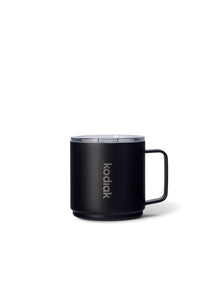


A good insulated bottle can handle a dawn start at the worksite, a long haul in the ute and a weekend by the water. The one thing it cannot do is clean itself. Knowing how to clean insulated drinkware properly keeps every sip fresh and helps your hard-working bottle, tumbler or mug stay ready for whatever is next.
That stale smell is not a sign that your drinkware is done for. It usually means moisture, drink residue or a forgotten lid seal has been given too much time to settle in. A few no-nonsense habits will keep the funk out without rough treatment that can damage seals, coatings or finishes.
Start with the right cleaning gear
You do not need a cupboard full of specialised products. Warm water, mild dishwashing liquid and a soft bottle brush will handle most daily clean-ups. Choose a brush with nylon bristles that can reach the bottom without scraping the interior. A smaller detail brush or clean toothbrush is useful for threads, mouthpieces and lid grooves.
For deeper cleans, keep bicarb soda and white vinegar on hand. They are useful when a bottle has been carrying coffee, protein shakes, electrolytes or anything with a strong smell. Use them thoughtfully, though. More cleaner is not better. Harsh bleach, abrasive scourers and strong chemical cleaners can be hard on powder-coated exteriors, printed details and silicone components.
A clean microfibre cloth is handy for the outside, especially after dusty campsites, salty boat days or a rough ride in the tray. The goal is straightforward: clean the surfaces that touch your drink, then dry every part properly.
How to clean insulated drinkware after daily use
The fastest clean is the one you do before residue gets the chance to dry on. Empty your drinkware as soon as you are finished, then rinse it with warm water. Add a small amount of mild dishwashing liquid, fill partway with warm water and use the bottle brush to scrub the inside from base to rim.
Pay attention to the rim. This is where lip balm, sunscreen, coffee oils and everyday grime can build up unnoticed. Rinse until there are no suds left, because lingering soap can make even cold water taste ordinary.
Wash the lid separately rather than giving it a quick rinse while it is still attached. Take apart any removable pieces that your lid is designed to separate, such as a straw, slider, silicone seal or splash guard. Run warm, soapy water through every opening, then brush the underside and the threads. A tumbler can look spotless while its lid quietly holds yesterday's flat white.
If your drinkware is labelled dishwasher safe, follow the product care directions and place it where recommended. Hand washing is still the safest all-round choice for preserving colour, finish and lid components over years of hard use. Never assume every insulated item belongs in the dishwasher just because one of your mugs does.
The lid and seal deserve extra attention
Lids are built for convenience, but their moving parts create small places for residue to hide. That matters most with flip tops, straw lids and leak-resistant seals. If water starts to taste off or a lid smells musty, the seal is the first place to check.
Remove the silicone gasket gently using a blunt edge or your fingers. Avoid sharp tools that can nick it and create a future leak point. Wash the gasket in warm, soapy water, clean the groove it sits in, then rinse both well. Let the parts air dry fully before reassembling.
Do not rush this step by putting a damp lid straight back on a bottle. Closing up trapped moisture creates the perfect conditions for odours. Leave the bottle and lid apart on the dish rack, with airflow around the threads and mouthpiece.
Deep-clean bottles, tumblers and mugs when needed
Water drinkers can usually stick to a daily wash. Coffee mugs, smoothie cups and bottles used for protein shakes need more attention. Dairy, plant milks, sweeteners and powders leave a film that ordinary rinsing will not remove, particularly around the neck and beneath the lid.
For a deep clean, add one or two tablespoons of bicarb soda to the drinkware, then fill it with warm water. Let it sit for 30 minutes, or longer for stubborn smells. Scrub with a soft bottle brush, paying close attention to the base, then rinse thoroughly.
White vinegar can help with mineral marks or lingering odours. Mix equal parts white vinegar and warm water, fill the vessel and leave it for 10 to 15 minutes. Empty it, wash again with mild dishwashing liquid and rinse well. Do not mix vinegar and bicarb soda in a sealed bottle. The fizz might look satisfying, but pressure can build and the combined reaction is less useful for cleaning than using either method separately.
For seriously stubborn coffee staining, repeat the bicarb soak rather than reaching for aggressive abrasives. Stainless steel is tough, but your drinkware does not need punishment to perform.
What not to do with insulated drinkware
Insulated drinkware is built to take knocks, temperature swings and long days outdoors. Still, a few shortcuts can shorten its useful life.
- Do not use steel wool, harsh scouring pads or abrasive powders inside or outside the vessel. They can scratch surfaces and dull the finish.
- Do not soak a lid with complex moving parts for days. A proper wash, rinse and dry is more effective.
- Do not put a sealed drinkware item in the microwave, freezer or oven. Insulation and pressure management are not designed for that job.
- Do not leave sugary drinks, milk-based drinks or sports mixes sitting in the bottle overnight.
- Do not store it with the lid screwed on after washing. Dry, open storage is the simple defence against stale smells.
Handle stains, smells and mould early
A faint smell after a forgotten drink does not call for panic. Start with a deep clean, then inspect the lid, seal and straw carefully. Most odours are trapped in one of these removable parts rather than the insulated stainless-steel body itself.
If you see visible mould, stop using the drinkware until it has been thoroughly cleaned. Disassemble every removable lid component, scrub all surfaces with hot, soapy water and use a small brush for narrow channels. If mould remains in a seal, straw or hard-to-reach part after cleaning, replace that component where possible. It is not worth taking chances with something you drink from every day.
Hard-water spots are another common issue, especially if your bottle is filled from different taps on the road. A brief vinegar soak should lift mineral residue. Rinse well afterwards so your next drink tastes like water, coffee or electrolytes - not cleaning day.
Build a routine that matches your use
The best cleaning schedule depends on what you carry. A water bottle used at the gym and desk should be washed daily, with the lid and seal checked every few days. A coffee tumbler deserves a full wash after every use, since oils build quickly. Smoothie, milk and protein-shake drinkware should be cleaned immediately after finishing, even if you are packing up camp or racing between jobs.
For families, shared gear and busy weeks, it helps to make cleaning part of the reset. Empty the bottle, wash the lid, set both pieces out to dry, then pack it again when it is completely dry. It takes minutes and prevents the unpleasant surprise of opening a bottle on Monday morning that still smells like Friday's shake.
Kodiak drinkware is made for the wild and ready for life, but dependable gear still benefits from dependable care. Treat the lid, seal and interior with the same attention you give the body, and your drinkware will stay fresher for the commute, the campsite and the next long day outside.