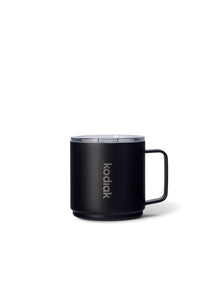


A hot coffee can go cold fast when you are halfway to the worksite, setting up camp before sunrise, or stuck in peak-hour traffic. The good news: learning how to keep coffee hot is less about rushing your brew and more about controlling where the heat escapes.
Coffee loses warmth through the cup walls, the open surface and every cold splash of air that hits it. Start with the right vessel, make a few small changes to your routine, and that first proper sip can still be waiting when the morning gets busy.
How to keep coffee hot starts before you pour
The easiest win happens before the coffee even reaches your cup. Preheat your insulated mug or tumbler by filling it with hot water, leaving it for a minute or two, then tipping it out. This warms the inside walls so they do not immediately pull heat from your coffee.
It is a small step with a big payoff, especially with stainless steel drinkware. A cold mug has to absorb heat before it can help retain it. Preheating gives your coffee a warmer starting line.
Do the same with a ceramic cup at home if you are not using insulated drinkware. A thick ceramic mug will hold heat better than a thin cup, but it cannot compete with double-wall vacuum insulation once you are out the door.
Brewing temperature matters too. Most coffee tastes best when brewed with water just off the boil, rather than boiling water poured straight over delicate grounds. If your brew starts too cool, no cup can magically turn it hot again. Make it properly, then protect the heat.
Choose insulation over a bigger cup
A larger cup can seem like the answer, but volume is only part of the story. A big, uninsulated mug gives your coffee more time to cool. A well-built insulated tumbler or travel mug traps heat between double walls, slowing the transfer of warmth to the outside air.
For a morning commute, a leak-resistant insulated tumbler with a secure sipping lid is usually the sweet spot. It is easy to carry, fits into daily routines and keeps the heat where it belongs. For a longer drive, a day on the boat or a cold start at camp, use a larger insulated bottle or mug with a tight lid and a handle that is easy to grip with cold hands.
Kodiak insulated drinkware is built for this kind of hard-working routine: coffee before the trail, a top-up in the ute, or a break on site when the wind is up. The key feature is not just tough stainless steel. It is vacuum insulation paired with a lid that limits heat loss without making every sip a hassle.
Keep the lid on as much as possible
Most of a coffee's heat escapes from the open top. Steam rising from the surface is heat leaving your drink in plain sight. Leave the lid off while you check emails, pack gear or chat around the camp table, and the temperature drops faster than you think.
Use a lid whenever you can, and choose one with an opening sized for sipping rather than a wide-open mouth. Close the slider or cover between drinks. This also reduces the chance of a coffee spill on your console, camp chair or work pants.
There is a trade-off. Completely sealed lids retain heat well, but drinking from them can be less convenient and may require you to stop, unscrew and pour. A quality sipping lid is better for frequent use. A screw-top insulated bottle is the stronger choice when you want to save coffee for later.
Do not add cold milk too early
Milk can take a hot coffee down several degrees in seconds, particularly if it has just come from the fridge. If you prefer a milk coffee, warm the milk first where practical. Even a small amount of warmed milk will help preserve the temperature without forcing you to drink coffee that is too hot to enjoy.
Long blacks and espresso-based coffees without cold milk stay hot longer, but taste should still lead the decision. There is no point carrying a scalding black coffee for three hours if you really want a flat white. Instead, brew slightly hotter, preheat your vessel and seal it well.
If you take sugar, stir it in before you leave and put the lid straight back on. Every extra minute of stirring with an open top gives heat an escape route.
Match the container to the job
The best way to keep coffee hot depends on where your day is headed. A quick train commute needs a different setup from a fishing trip or long haul in the cab.
For short trips, a compact insulated tumbler is practical because it is light, easy to sip from and less bulky in a bag. For desk days, an insulated mug with a comfortable handle lets you take your time without reheating every half hour. On worksites, camping trips and road adventures, an insulated bottle or high-capacity mug gives you more endurance and a more secure lid.
Avoid pouring coffee into a container that is far bigger than the amount you are carrying. More empty space means more air inside, and that air helps the drink cool. Fill your vessel close to capacity when possible. If you only want a small coffee, use a smaller insulated cup rather than a half-empty large bottle.
Protect it from the elements
Even the best drinkware works harder in cold, windy conditions. Leaving your coffee on a picnic table in the shade, on a boat seat or against a cold metal toolbox gives the environment more opportunities to pull heat away.
Keep your drink inside your pack, vehicle or camp kitchen until you are ready for it. On the move, a cup holder is convenient, but avoid positions directly under blasting air-con. In winter, do not leave your coffee sitting in the tray of a ute while you sort gear. Bring it with you.
A sleeve or carry pouch can provide a little extra protection for some containers, although it will not replace quality vacuum insulation. Think of it as backup, not the main event.
Skip the microwave reheats when you can
Reheating coffee in the microwave is handy, but it changes the experience. The heat can be uneven, and coffee that has sat around may taste harsher or flatter after a blast. It is fine in a pinch, especially at the office, but a better plan is brewing what you will drink and keeping it hot from the start.
If you are making coffee for a group at camp or on a road trip, a vacuum-insulated carafe is a smarter move than leaving a plunger or pot exposed. Brew, decant, seal and pour as needed. Your second cup will taste much closer to the first.
There is also a safety angle. Do not fill a sealed vessel with near-boiling coffee and shake it around in a bag. Use a lid designed for hot drinks, leave enough space at the top and make sure the seal is properly fitted before travel.
Clean gear keeps coffee tasting better
Temperature is only half the equation. Old coffee oils can cling to lids, seals and threads, adding a stale edge to a fresh brew. Wash your mug or bottle thoroughly after use, paying attention to lid components and any sliding mechanisms.
A clean vessel also seals better. Crumbs, grit and dried coffee around the threads can stop a lid sitting flush, giving heat and liquid a way out. For outdoor gear that earns regular kilometres, that quick clean is part of dependable performance.
The best coffee setup is the one you will actually use every day. Preheat your mug, fill it with a fresh brew, close the lid and take it with you. Whether the destination is the office, the boat ramp or a quiet campsite, a properly hot coffee makes the early start feel worth it.