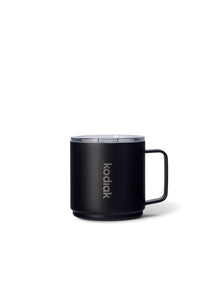


By 10 am, a bad bottle has already given up. The water is tepid, the outside is sweating, and you are left carrying dead weight for the rest of the day. If you want a water bottle that stays cold all day, you are not chasing a gimmick. You are looking for something that can handle a worksite, a gym bag, a boat deck, a school run, or a long stretch behind the wheel without turning your drink into a disappointment.
That means looking past flashy claims and getting clear on what actually keeps water cold for hours. The right bottle is not just about temperature retention. It is about build quality, lid design, size, grip, and how it fits into your day when things get messy, dusty, or fast.
What makes a water bottle that stays cold all day?
The short answer is insulation, but not all insulation performs the same in the real world. A proper insulated bottle uses double-wall vacuum construction. There is a gap between the inner and outer steel walls, and that gap slows heat transfer hard. That is what gives you cold water at smoko, after the gym, or halfway through a summer drive.
Material matters too. Stainless steel is the standard for good reason. It is durable, resists odours, and does not hang onto yesterday's electrolyte mix the way cheaper plastics can. It also stands up better to knocks in the back of a ute, being clipped to gear, or rolling around in a camp crate.
Then there is the lid. This gets overlooked all the time. A bottle can have excellent insulation, but if the lid is flimsy or poorly sealed, you lose temperature faster and risk leaks. A solid lid with a tight seal does two jobs at once - it keeps cold in and stops your bag from becoming a wet mess.
Why bottle size changes cold retention
If you are choosing a water bottle that stays cold all day, bigger often helps, but only to a point. More volume means more cold water and more ice, which usually extends cooling time. A larger bottle can be a strong pick for tradies, anglers, and campers who are out for long hours without easy refills.
But a huge bottle is not always the best call. If it is too bulky for your cup holder, too heavy for the gym, or annoying to carry on a commute, you may stop using it. The best bottle is the one that actually goes with you. For office days and shorter trips, a mid-size bottle often hits the sweet spot. For long shifts, beach days, and remote travel, stepping up in capacity makes sense.
There is also a practical difference between keeping water cold and keeping a small amount of water cold. A half-empty bottle warms faster than a full one, especially if it gets opened every few minutes. If you sip constantly, a larger bottle with ice will generally hold temperature better over the day.
The real trade-off: slim, tough, or high-capacity
Every insulated bottle is a balancing act. Slim bottles are easier to carry and fit in more places, but they usually take less ice and offer less total hydration. High-capacity bottles give you more endurance, but they can feel oversized for everyday errands. Rugged designs with thicker walls, powder-coated finishes, and sturdy handles tend to hold up better outdoors, though they may weigh a little more.
That is not a flaw. It just means your best option depends on how you use it. A commuter might care most about cup-holder fit and a leakproof lid. A camper might care more about all-day cold retention and a bottle that can get knocked around without denting at the first hit. A gym-goer may want easy one-handed drinking and a shape that slips into a backpack side pocket.
Features worth caring about
Some features look minor on the product page, but they change the experience fast. A textured exterior helps when your hands are wet or sweaty. A proper handle matters when you are carrying gear, opening gates, or moving between the car and the office. A dishwasher-safe bottle saves time and makes regular cleaning more realistic, which matters if you use it every day.
Wide-mouth openings are another big one. They make it easier to add ice, easier to clean, and easier to refill from awkward taps at parks, gyms, and campsites. The trade-off is that some people prefer a narrower drinking experience on the move, especially in the car. That is where lid style comes in. Chug lids, straw lids, and screw tops each suit different routines.
If you are hard on gear, external finish counts as well. A bottle that chips, scratches, or becomes slippery after a few months does not feel premium for long. Durable coatings are not just about looks. They help the bottle stay grippy and presentable after daily use.
Choosing the right water bottle that stays cold all day for your routine
For worksites, durability leads. You want stainless steel, vacuum insulation, a leakproof lid, and enough size to get through a shift. Easy-carry handles and hard-wearing finishes earn their keep here. If the bottle spends time in dust, direct sun, and the cab of a ute, cheap construction gets exposed quickly.
For gym sessions and sport, convenience matters just as much as insulation. A bottle that is easy to open mid-workout and comfortable to carry between sets is often more useful than the biggest option on the shelf. Cold retention still matters, especially in warmer months, but the best fit is usually something portable and quick to drink from.
For commuting and office days, a slimmer profile can win. If it fits in a bag pocket, sits neatly on a desk, and does not leak near your laptop, that is a strong start. You still want the bottle to keep water cold through the day, but usability becomes the difference between daily carry and leaving it on the kitchen bench.
For camping, boating, fishing, and 4x4 travel, go bigger and tougher. These are the settings where all-day cold is not a luxury. It is part of staying comfortable when the heat kicks in. A dependable bottle with serious insulation and a secure lid is one of those quiet pieces of gear that proves itself every trip.
How to get better cold performance from any insulated bottle
Even a quality bottle performs better with a few smart habits. Start with cold water rather than room-temperature water. Add ice if the bottle is designed to take it. Keep it out of direct sun where possible, especially on a boat deck or dashboard. If the bottle has been sitting in a hot car, rinse it with cold water before filling.
Pre-chilling helps more than most people realise. Fill the bottle with cold water and ice for a few minutes before your proper refill, and you lower the internal temperature before the day begins. It takes almost no effort and can stretch cold retention noticeably.
Opening the lid less often also makes a difference. Every open lets warm air in. If you are someone who takes constant small sips, a straw lid or easy-access top can make the bottle feel more convenient, but it may slightly affect insulation depending on the design. That is one of those cases where convenience and maximum performance do not always line up perfectly.
What to avoid when shopping
The biggest trap is buying on claims alone. Terms like insulated or thermal get thrown around loosely. If the bottle does not clearly use double-wall vacuum insulation, be cautious. Single-wall metal bottles might look the part, but they will not hold cold anywhere near as well.
It is also worth avoiding lids that feel like an afterthought. If threads are rough, seals seem thin, or the closure feels flimsy in hand, it will not get better with use. The same goes for bottles that are awkward to clean. If it is annoying to wash, old smells and residue will build up fast.
Price matters, but so does replacement fatigue. Buying a cheaper bottle twice is not a bargain if the first one dents easily, leaks in your bag, or stops performing after a season. For most people, it makes more sense to buy once and buy properly.
A good insulated bottle should feel like gear, not clutter. It should earn its place on the passenger seat, in the backpack, on the boat, or beside the bed. The best one is not the loudest or the trendiest. It is the bottle you trust to still be cold when the day has dragged on, the heat is up, and you need it to do its job without fuss. That is where a bottle like Kodiak makes sense - built for the wild, ready for life, and more than capable of backing up the promise.