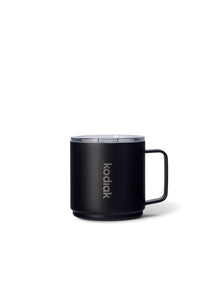


The wrong cup usually reveals itself fast. Lukewarm coffee by 8 am, a flimsy lid rattling in the ute, condensation soaking the console, or a cheap plastic taste that ruins the first sip. A stainless steel sip cup solves those everyday annoyances with one upgrade - better build, better temperature control, and far less fuss.
For plenty of people, that matters more than it sounds. A cup is one of those things you use without thinking, until it lets you down. On the worksite, in traffic, at the gym, around camp, or at your desk, you want something that keeps up. Not something precious. Not something disposable. Just a hard-working piece of drinkware that does its job every single day.
What makes a stainless steel sip cup worth it?
The biggest advantage is consistency. Stainless steel holds up better than plastic, feels more solid in hand, and handles daily punishment without looking shabby after a few weeks. If your cup spends half its life rolling around in a bag, wedged into a cup holder, or clipped into the chaos of your routine, material quality stops being a nice extra and starts being the whole point.
Temperature retention is the other big win. A well-made stainless steel sip cup with vacuum insulation keeps hot drinks hot for longer and cold drinks colder for longer. That means your morning coffee is still doing its job when the meeting runs long, and your iced drink stays crisp instead of turning watery before lunch. It is simple, practical performance.
Then there is taste. Stainless steel does not tend to hang onto flavours the same way lower-grade materials can. If you switch from flat white to water to iced tea across the week, that matters. Nobody wants yesterday's coffee ghosting today's hydration.
Stainless steel sip cup features that actually matter
Not every cup that looks tough is built for hard use. A few features make the difference between a sip cup you use constantly and one that gets shoved to the back of the cupboard.
Insulation that pulls its weight
Double-wall vacuum insulation is the standard to look for if temperature retention matters. It creates a barrier between your drink and the outside air, slowing heat transfer in both directions. In real terms, that means less reheating, less melted ice, and a cup that performs whether you are commuting in summer or setting up before sunrise in winter.
A lid that does more than sit there
A sip cup lives or dies by the lid. It should open easily, feel secure when closed, and help prevent splashes when you are moving. That does not always mean fully leakproof - some sip lids are designed more for controlled drinking than tossing loose into a backpack - so it pays to match the lid style to how you actually use it.
If you need one-handed convenience in the car, a clean sliding or flip mechanism matters. If it is heading into a gear bag, you may want a more tightly sealed setup. It depends on whether your day is mostly desk-to-car or trail-to-boat-to-camp chair.
Size and shape that fit real life
A giant cup sounds great until it does not fit the console in your car or feels awkward in hand. A compact stainless steel sip cup is easier for commuting and shorter coffee runs. A larger one suits long drives, job sites, and days when refills are not easy. The right size is not about maximum capacity. It is about how often you want to refill versus how much bulk you are happy to carry.
Cup holder compatibility matters too. It is not glamorous, but it is the sort of detail you appreciate daily.
Finish, grip and clean-up
A durable powder-coated finish adds grip and helps the cup shrug off knocks and scratches. It also gives you more personality than plain steel if style matters to you, and for a lot of buyers, it does. Gear can be functional and still look sharp.
Easy cleaning matters just as much. Wide openings, simple lid designs, and dishwasher-safe construction save time and stop the cup becoming another high-maintenance item in your routine.
Who gets the most out of a stainless steel sip cup?
The short answer is almost anyone who drinks on the move. The better answer is that different people value different parts of the build.
For commuters, it is about reliability. You want a cup that keeps coffee hot through the drive, fits in the car, and does not sweat over your seat or desk. For gym-goers, a sip cup is useful because it is quick to grab between sets and tough enough to handle being dropped, shoved into a locker, or carted around all week.
For campers, fishos, and anyone spending long stretches outdoors, insulation and durability are non-negotiable. Conditions shift, days run longer than planned, and gear gets knocked around. A stainless steel sip cup is at home in that environment because it is built for hard use and still practical back at home on Monday.
Tradespeople and mobile workers also get a lot out of a proper sip cup. Early starts, changing weather, long hours in the ute - that is where dependable drinkware earns its keep. It is one less thing to think about, which is exactly the point.
Stainless steel vs plastic sip cups
Plastic cups usually win on upfront price and lighter weight. If you rarely use a cup or only need something for the occasional school run, that may be enough. But the trade-off often shows up quickly in weaker insulation, more wear, and that less substantial feel that never quite inspires confidence.
Stainless steel costs more at the start, but it tends to last longer and perform better. For buyers who are sick of replacing cracked lids, stained interiors, or tired-looking cups every few months, the value equation shifts pretty fast. Buy once, use hard, keep going.
There is also the environmental angle. A durable cup you use for years creates less waste than a cycle of cheap replacements or disposable cups. It is not about perfection. It is about choosing gear with a longer life and getting real use from it.
How to choose the right stainless steel sip cup
Start with your actual routine, not the marketing. Ask yourself where the cup will spend most of its time. In the car? At a desk? In a backpack? Around camp? That tells you more than any feature list.
If your main priority is hot coffee on the commute, go for a streamlined size with a secure, easy-sip lid. If you are outdoors for longer stretches, put insulation, grip and toughness at the top of the list. If cleaning is your weak spot, prioritise a simple lid and dishwasher-safe parts so the cup stays in rotation instead of sitting in the sink.
Looks are part of the decision too. There is nothing wrong with wanting a cup that matches your gear, your vehicle, or your day-to-day style. In fact, that usually means you will use it more. A good product should feel right in your hand and in your routine.
Brands like Kodiak lean into that balance well - rugged enough for rough country, clean enough for daily carry, and built with the kind of no-nonsense confidence that makes sense when you expect your gear to work hard.
Common mistakes when buying a sip cup
One of the biggest mistakes is overbuying on size. More capacity sounds better until the cup becomes awkward to carry and annoying to clean. Another is assuming every insulated cup is equally spill-resistant. Lid design matters, and not all sip lids are made for the same kind of movement.
People also tend to ignore usability details. A cup might have great insulation, but if the lid is fiddly or the shape is uncomfortable, it will not become your go-to. The best sip cup is not the one with the most claims. It is the one you reach for without thinking.
Why this small upgrade changes the day
A stainless steel sip cup is not flashy gear. That is exactly why it matters. It does its job in the background, making mornings smoother, long drives easier, and outdoor days more comfortable. It keeps your drink where it should be, tastes clean, handles rough treatment, and looks good doing it.
That kind of reliability has a way of earning a permanent spot. Choose one that suits your routine, use it hard, and let the cheap cups become someone else's problem.