


A bottle that leaks in your work bag, makes water taste odd or is a pain to wash will not last long in your routine. The best bottle for daily hydration is the one you will actually carry from the morning commute to the gym, the worksite, the beach and back home again.
That sounds simple, but daily use exposes every weak point. A flimsy cap, awkward handle or bottle that cannot keep up with an Australian summer can turn a good intention into another half-full bottle sitting in the ute. The right choice comes down to how much you drink, where you take it and how little fuss you want when it is time to refill or clean.
Start with the way you actually drink
Forget the idea of one perfect bottle for every person. A desk-based worker who tops up from the office kitchen has different needs from a tradie under the sun, a parent doing school drop-off or an angler spending the day on the water.
Think about the gaps between refills. If you have easy access to a tap throughout the day, a compact bottle is lighter, easier to fit in a bag and less cumbersome on a crowded train. If you are driving between jobs, hiking, fishing or training outdoors, more capacity can save you from rationing your water by midday.
A useful daily range is often 700 mL to one litre. It holds enough to make a real dent in your hydration without becoming a dead weight. Larger bottles suit long shifts, hot days and remote trips, but they can be bulky in a backpack side pocket or cup holder. The best capacity is not the largest one. It is the size you will refill and finish consistently.
Best bottle for daily hydration: the features that earn their place
A daily bottle has to do more than hold water. It needs to work one-handed when you are carrying gear, survive a knock in the boot and still be pleasant to use on an ordinary Tuesday.
Insulation that handles real heat
Cold water is easier to keep drinking, especially when the weather is pushing hard. Double-wall vacuum insulation helps keep drinks cold for hours and stops the outside from sweating all over your desk, console or gear bag. It is a practical feature, not just a nice extra.
Insulation also gives you flexibility. Fill up before leaving home, leave the bottle in the cab between stops, then come back to water that is still refreshing. For early starts, it can pull double duty with tea or coffee, provided the lid is designed for hot drinks.
There is a trade-off. Insulated stainless steel bottles are usually heavier than single-wall plastic options. For most daily routines, that extra weight is worth it for temperature control and toughness. For long-distance running or ultralight hiking, a lighter bottle may make more sense.
A lid that matches your routine
The lid is where convenience either shows up or disappears. A screw cap is simple, secure and dependable for throwing a bottle into a bag. A straw lid makes frequent sipping easier during a commute, gym session or day at the desk. A chug-style opening suits people who want a faster drink after a set, a climb or a hot walk back to the car.
Look for a lid that seals properly and is easy to operate without a wrestling match. If it has moving parts, check that they are straightforward to take apart for cleaning. A complicated lid can be brilliant for a week, then become a grubby nuisance when life gets busy.
For travel and worksites, leak resistance matters more than almost any clever feature. Water on your lunch, laptop or spare clothes is a fast way to stop using a bottle altogether. Keep in mind that a straw lid may be splash-resistant rather than fully leakproof when tipped upside down. Match the lid to the way you carry it.
Materials built for repeat use
Food-grade stainless steel is a strong all-round option for people who want durability, insulation and a clean taste. It handles daily knocks well and will not retain flavours the way some plastics can. A quality powder-coated finish also gives your hands better grip and brings some personality to a bit of gear you will see every day.
Plastic bottles can be lighter and often cost less, making them handy for sport or situations where weight matters. The downside is that they may scratch, hold odours and lose their good looks sooner. Glass keeps water tasting clean but is less forgiving around concrete, boats and busy family life.
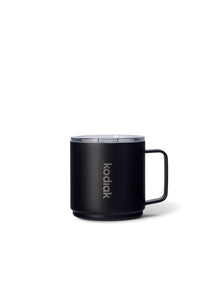
For an all-purpose bottle that moves between the office, campsite and gym floor, insulated stainless steel is hard to beat. Kodiak drinkware is built around that kind of no-nonsense versatility: hard-use performance without looking out of place at your desk.
A shape you will carry
A bottle can have excellent insulation and still spend its life at home if it does not fit anywhere. Check the base width against your car or ute cup holder. Consider whether it fits in your backpack pocket, gym bag or the side pouch on your camp chair.
Handles are worth paying attention to, particularly on bigger bottles. A solid, comfortable handle makes the difference when you are carrying water alongside tools, groceries or fishing gear. A slim profile may be easier to pack, while a wider bottle can be more stable but less cup-holder friendly.
Cleaning is part of hydration
The bottle you clean easily is the bottle you keep using. That is not glamorous, but it matters. Water bottles pick up residue from electrolyte mixes, protein shakes, flavoured water and the general grime of daily travel. If a bottle starts smelling stale, it quickly gets left behind.
A wide mouth makes a bottle easier to fill with ice and easier to clean properly with a brush. Dishwasher-safe construction is a real time-saver, although it is still smart to check the care instructions for the bottle and lid separately. Some insulated bodies are best hand-washed, while removable lid parts may be dishwasher safe.
Rinse your bottle at the end of the day and let it dry with the lid off. Give the cap, threads, seals and straw components extra attention once or twice a week. Those small habits keep the water tasting fresh and help a good bottle go the distance.
Choose capacity for the day, not a hydration target
A giant bottle can feel motivating, but it is not a magic answer. Your hydration needs shift with the heat, your activity level, the food you eat and how long you are away from a refill point. A huge bottle can also make people sip less simply because it is too heavy to bring along.
Instead, make refilling part of the routine. Fill it before leaving home. Top it up after your first coffee, before training or when you stop for fuel. If you work outdoors, keep a second chilled bottle in the cooler so there is always a cold refill ready.
For hard training, long days in heat or physically demanding work, water may not be the only consideration. Electrolytes can be useful when you are sweating heavily for extended periods, but they do not replace regular drinking or common sense. Listen to thirst, take breaks where you can and prepare more water than you think you will need for remote days.
Do not buy features you will not use
It is easy to get drawn to oversized bottles, elaborate caps and extra attachments. The better move is choosing the few features that solve your everyday problems. If your water gets warm, prioritise insulation. If you forget to drink, use a straw lid or a bottle that stays within reach. If you are hard on gear, choose a durable body and a cap that can take repeated use.
Colour matters too. A bold finish makes a bottle easier to spot beside the swag, under the passenger seat or on a crowded gym rack. More importantly, liking how it looks gives you one more reason to take it with you.
Pick a bottle that fits your hands, your bag and your actual week. Keep it clean, keep it close, and cold water will be ready when the day gets moving.
1 comment
Where can I get a replacement seal ring for a lid? The seal ring is 3 inch diameter.