

You notice a bad bottle fast on the trail. It rattles in the side pocket, leaks into your pack, sweats through your gear, or leaves you with warm water halfway up the climb. If you are shopping for the best water bottle for hiking, the right choice is less about hype and more about how it performs when the track gets dusty, steep, hot and unforgiving.
For Australian conditions, that matters. A quick bushwalk near the coast, a full day in the ranges, or a weekend out of the ute all ask different things from your gear. The bottle that works for a gym session or the commute is not always the one you want clipped to a pack in the sun. Good hiking drinkware needs to be tough, easy to carry, simple to clean and ready to keep up.
What makes the best water bottle for hiking?
The short answer is balance. The best bottle is the one that gives you enough water, holds temperature well enough for the conditions, and does not become a nuisance once you are moving.
Capacity is usually the first decision. For short hikes, around 700 ml to 1 litre often hits the sweet spot. It is enough to stay comfortable without adding unnecessary weight. For longer day hikes, especially in warm weather, many people step up to 1 litre or more. That extra volume is useful, but it comes with a trade-off - more water means more weight on your back, and every gram feels heavier on the return leg.
Material matters too. Insulated stainless steel bottles are a strong choice for hikers who want cold water to stay cold for hours and a build that can handle knocks, drops and rough treatment. Plastic bottles are lighter, which can be an advantage on longer walks where cutting weight matters. The catch is they usually do less for temperature retention and can feel less premium over time.
Then there is usability. A bottle can have all the right specs on paper and still be annoying in the real world. If the lid is fiddly, the mouth opening is awkward, or the shape does not sit well in your hand or pack pocket, you will notice it every time you stop for a drink.
Size matters more than people think
A lot of hikers start by asking which bottle is toughest or coldest, but size often makes the bigger difference. Too small, and you are rationing water before lunch. Too big, and you have a heavy, bulky bottle you resent carrying.
For casual day walks and local tracks, a bottle around 750 ml is a practical all-rounder. It suits people who pack light, move fast and can refill if needed. For longer hikes, 1 litre gives you more breathing room, especially in warmer parts of Australia where dehydration sneaks up quickly.
If you are tackling remote tracks, high heat or all-day missions, one bottle may not be enough no matter how good it is. In that case, the better setup is often a larger primary bottle plus a second bottle or hydration solution. The best water bottle for hiking is sometimes part of a system, not a solo hero.
Insulated vs non-insulated bottles
This is where preference and conditions come into play. If you hike in cooler weather, move quickly and care most about reducing pack weight, a non-insulated bottle can do the job. It is straightforward, lighter and often cheaper.
But for plenty of Australian hikers, insulated stainless steel is worth it. There is a big difference between taking a sip of cool water after hours in the sun and settling for something lukewarm. Insulation also helps if you are carrying a hot drink on a cold morning start, which makes shoulder-season hikes and alpine trips more comfortable.
The trade-off is weight. Insulated bottles are heavier even before you fill them. If you are counting every gram for big elevation days or longer distances, that can be a reason to go lighter. If comfort, durability and temperature retention rank higher, insulated wins.
The lid can make or break the bottle
People often focus on the bottle body and forget the lid, but that is where convenience lives or dies. A great bottle with a frustrating lid becomes a second-rate piece of gear fast.
For hiking, leakproof performance is non-negotiable. If it goes in your pack, it needs to stay sealed. A wide-mouth opening is useful for refilling, cleaning and adding ice, but some people prefer a narrower drinking spout because it is easier to sip from while moving. Neither is universally better. It depends on how you hike.
If you stop regularly and like quick refills at campsites or trailheads, a wide-mouth design is hard to beat. If you want one-handed access and less chance of sloshing water down your shirt, a straw or chug lid can feel more practical. Just keep in mind that more moving parts can mean more cleaning and more wear over time.
A carry handle is another underrated feature. It sounds simple because it is, but a solid handle makes a bottle easier to grab from the car, clip to gear, carry around camp or haul from the pack side pocket when you are on uneven ground.
Durability is not just about surviving drops
Hiking gear gets knocked around. Bottles roll in the boot, bang against rocks, get wedged into overloaded packs and spend long stretches in heat and dust. So yes, impact resistance matters. But durability is also about how the bottle holds up after repeated daily use.
Does the finish scratch too easily? Does the lid thread stay smooth? Does the seal keep doing its job after months of use? Can it handle a dishwasher without looking tired? These details separate a bottle that lasts one season from one that becomes your go-to for workdays, gym sessions and weekends away.
That crossover value matters. A hiking bottle is a better buy when it does not sit in the cupboard between trips. The strongest options pull double duty - trail-ready on Saturday, office desk on Monday, passenger seat on Tuesday.
Features worth paying for, and ones you can skip
Some features genuinely improve the experience. Double-wall insulation, a reliable leakproof lid, easy-clean design and a shape that fits your hand and pack are all worth having. A powder-coated finish can also help with grip, especially when your hands are sweaty or the bottle is wet.
Other features are more situational. Measurement markings can be useful if you are mixing electrolytes. A very wide bottle may offer bigger capacity but can be awkward in side pockets. Extra-large handles are great for gloved hands or quick grabs, but not everyone needs them.
The trick is not to buy for a fantasy version of your hiking life. Buy for the walks you actually do. If most of your outings are half-day trails and weekend campgrounds, you probably do not need an oversized bottle built like a battering ram. If you are regularly out in harsh sun, rough terrain and all-day conditions, spending more on insulation and build quality makes sense.
How to choose the right bottle for your kind of hiking
Think in terms of use case, not just product category. For short, active hikes, go lighter and more compact. For longer days in the heat, prioritise capacity and cold retention. For multi-use buyers who want one bottle for hiking, commuting and everyday carry, insulated stainless steel usually offers the best mix of toughness and versatility.
It is also worth thinking about your pack setup. Some bottles look great online but are too wide for common pack pockets. Others are easy to carry by hand but annoying to stash. If your bottle is awkward to access, you may end up drinking less often, which is not what you want on the track.
Style counts too, and there is nothing wrong with that. Outdoor gear should work hard, but it can still look sharp. A bottle that feels good to carry and suits the rest of your setup is one you are more likely to use every day. That is part of the value.
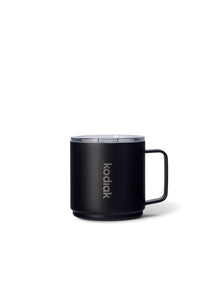
For hikers who want no-nonsense performance with everyday appeal, an insulated stainless steel bottle from a brand like Kodiak makes a strong case. Tough build, dependable temperature retention and practical carry features are not flashy extras - they are the things that make a bottle worth taking anywhere.
The best water bottle for hiking is the one you will trust
When you are halfway through a climb, small annoyances feel bigger. A slippery finish, a loose lid or warm water in the heat can turn a good walk into a frustrating one. The best bottle earns its place by disappearing into the background. It does its job, takes the knocks and stays ready for the next trip.
That is really what you are buying. Not just a container for water, but a piece of gear you can trust when conditions are less forgiving than the product photos. Choose one built for your real routine, and every walk gets easier from there.
Next time you pack for the trail, think beyond capacity and price. Pick the bottle that suits your hikes, your pace and your conditions - then fill it properly and get after it.