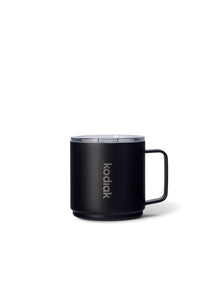


You notice a bad tumbler fast. Your coffee is lukewarm before the second meeting, the lid spits on the corrugations, or the base rattles around in the ute cup holder like it was never meant to be there. Finding the best insulated tumbler for coffee is less about hype and more about how it performs when your day gets busy, bumpy or both.
Coffee gear cops a lot of big claims, but the right tumbler usually comes down to a handful of real-world details. Heat retention matters, obviously, but so do the lid, the shape, the finish and whether it feels solid in the hand at 6 am. If you want one tumbler that can handle the commute, the campsite and the worksite without turning into another piece of junk in the cupboard, here’s what actually matters.
What makes the best insulated tumbler for coffee?
At the core, a strong coffee tumbler does three jobs well. It keeps your brew hot for hours, it’s easy to drink from, and it survives daily abuse without showing its age too quickly. Miss one of those and the whole thing starts to feel like a compromise.
Double-wall vacuum insulation is the baseline. That sealed airless gap between the inner and outer walls slows heat transfer, which is why your flat white stays properly hot instead of fading fast. Stainless steel is the go-to material for a reason too. It’s durable, doesn’t crack like plastic, and holds up well across commuting, camping and rougher outdoor use.
But insulation alone doesn’t win it. A tumbler can hold temperature brilliantly and still be annoying to use. If the lid leaks, if the sip opening is awkward, or if the body is too wide for standard cup holders, it won’t earn a permanent spot in your routine.
Heat retention is only half the story
A lot of people shop by hours alone. Fair enough, but coffee is different from cold water. You’re not always trying to keep it scorching for half a day. In many cases, the sweet spot is a tumbler that keeps coffee hot long enough to enjoy slowly, without turning each sip into a mouth-burning gamble.
That’s where lid design starts pulling weight. A well-fitted lid helps trap heat, but it also controls airflow and makes drinking easier on the move. Slide lids are convenient and quick, especially for commuting, but they’re not always the best option if the tumbler is likely to get knocked over. Flip lids and screw-top lids tend to offer a more secure seal, though they can be slightly slower when you want a quick sip between tasks.
There’s always a trade-off. More secure lids usually mean more components, and more components can mean more cleaning. If your tumbler ends up sitting in the sink because the lid is fiddly, that convenience problem becomes a daily one.
Why capacity changes performance
Size affects more than how much coffee you can carry. A smaller tumbler often holds heat more consistently if it’s filled close to the top, because there’s less empty air space inside. A larger tumbler gives you longer drinking time, but if you only pour in one standard coffee, you may not get the same thermal performance.
For most people, the sweet spot sits somewhere in the middle. Enough capacity for a proper coffee or two, but not so oversized that it feels clunky in the hand or awkward in the car. If your day starts at the servo and ends by the firepit, that middle-ground size usually works hardest.
The lid can make or break the tumbler
This is the part buyers often underestimate. You can have premium insulation and a rock-solid steel body, but if the lid is average, the whole experience drops away fast.
A good coffee lid should open easily, seal cleanly and let you sip without splashing your face every time the road gets rough. It should also come apart without a wrestling match. Coffee oils build up quickly, and a lid that traps residue will start tasting stale no matter how fresh the brew is.
Look closely at the seal around the opening and whether the sliding or flip mechanism feels tight rather than loose. If a lid has too much play, it often means heat escapes faster and leaks are more likely. On the other hand, an ultra-tight lid that takes two hands and a strong grip every time can become a nuisance on the go.
The best setup depends on your use case. For desk days, a simple sip lid might be perfect. For road trips, boats and worksites, a more secure lid earns its keep quickly.
Build quality should feel obvious
The best insulated tumbler for coffee shouldn’t need a spec sheet to prove itself. You should feel it in the weight, the finish and the way the lid threads on cleanly.
Powder-coated exteriors tend to offer better grip and a tougher finish than glossy surfaces, especially when your hands are wet, cold or dusty. A good coating also helps the tumbler age better. Scratches happen, but the right finish won’t look trashed after a few weeks bouncing around in the cab or camp kitchen box.
The rim matters too. A smooth, well-finished rim feels better to drink from and is easier to clean. Cheap edges can feel sharp or uneven, and once you notice that, you won’t stop noticing it.
If you’re hard on gear, durability is not a nice extra. It’s the whole point. A tumbler built for everyday knocks is better value than a cheaper option you replace in six months.
Don’t ignore grip and shape
Comfort sounds minor until you’re carrying hot coffee with one hand while unlocking the car or packing the esky. The shape should feel balanced, not top-heavy. Tapered bases help with cup holder fit, while a body that’s too slick or too wide can feel awkward in everyday use.
Handles are useful for some people, especially if you want a larger-capacity coffee mug style tumbler. But a handle also changes storage, packing and how easily the tumbler fits in a bag. There’s no universal winner here. It depends on whether your coffee routine is mostly desk-based, vehicle-based or outdoors.
How to choose the right tumbler for your routine
The best choice depends on where your coffee usually gets drunk.
If you commute daily, focus on cup holder fit, one-handed sipping and a lid that won’t leak if it tips on the passenger seat. If you work outdoors, durability and grip move up the list fast. You want something that can handle dust, knocks and repeated use without babying it. If weekends mean camping, fishing or long drives, choose a tumbler that balances strong heat retention with easy cleaning, because gear that’s annoying to wash tends to get left behind next trip.
Style matters as well, and there’s no point pretending otherwise. A tumbler you like the look of is one you’ll keep using. Good colour options and a clean design don’t replace performance, but they do make everyday carry feel less like an afterthought.
That’s where brands built around outdoor-grade drinkware tend to stand out. Kodiak, for example, leans into that sweet spot between hard-use toughness and everyday practicality, which is exactly what many coffee drinkers are after.
Common mistakes when buying a coffee tumbler
One of the biggest mistakes is buying purely for maximum capacity. Bigger sounds better until it’s heavy, awkward to hold and impossible to fit anywhere useful. Another is assuming leakproof and easy-sip always come in the same package. Sometimes they do, often they don’t.
People also overlook cleaning. Coffee leaves oils and odours behind, so dishwasher-safe construction and lids that come apart easily are worth more than flashy extras. If you swap between coffee and water, a tumbler that retains smells can become frustrating quickly.
Then there’s the material question. Stainless steel is still the benchmark for durability and insulation, but not all stainless drinkware is finished equally. Poor-quality interiors can hang onto flavours, while thinner builds may feel less solid over time.
Is an expensive tumbler worth it?
Usually, yes, if you actually use it. A premium tumbler should deliver better insulation, tougher construction and a lid that feels considered rather than slapped on. It should also last long enough to spread that higher upfront cost over years, not months.
That said, expensive doesn’t always mean best for your needs. If you mostly drink coffee at a desk and rarely travel with it, you may not need the most heavy-duty model on the market. If your tumbler lives in the ute, gets dropped on gravel and comes along for every early start, paying for serious build quality makes more sense.
The real test is whether it fits your day without asking for special treatment. The best coffee tumbler feels dependable, not precious.
What to look for before you buy
Before choosing the best insulated tumbler for coffee, check the basics with a sharper eye. Look at the lid style, capacity, stainless steel build, cup holder compatibility, finish, ease of cleaning and how secure the seal appears. If you can, think through a normal week rather than an ideal one. Morning commute, work break, long drive, campsite, gym, desk. That’s where the right tumbler proves itself.
A good one keeps your coffee hot, tastes clean, feels solid and goes wherever the day takes you. And when you find that combination, it stops being just another cup and starts being one bit of gear you reach for without thinking.